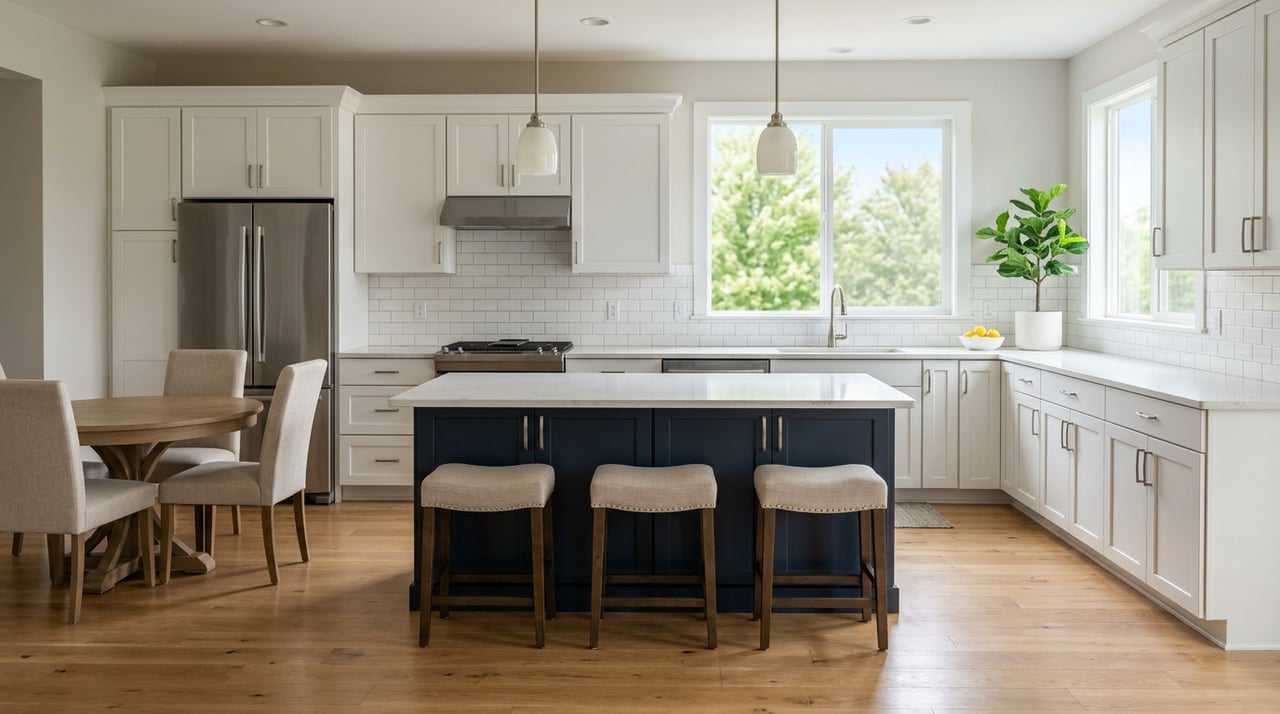
Selling a Home in Lititz: Proven Pricing and Prep Tips
April 2, 2026
April 2, 2026
If you are getting ready to sell in Lititz, the biggest mistake is often thinking a strong market will do all the work for you. Even in a fast-moving area, the homes that attract the best early attention usually have two things in common: a price that matches local comparable sales and a presentation that looks clean, current, and move-in ready online. If you want to protect your momentum and put your home in the best position from day one, these pricing and prep strategies can help. Let’s dive in.
Lititz is moving quickly by early 2026. In ZIP code 17543, Realtor.com reports a seller’s market, a median of 16 days on market, a 100% sale-to-list ratio, 139 active listings, and a median listing price of $575,000.
At the county level, the picture is also seller-leaning. The Lancaster County market snapshot reflected through Realtor.com local data shows conditions where homes are generally selling near asking price, which supports a strategy focused on precision instead of guesswork.
That does not mean every home should chase the same number. ZIP-level listing data and county-level sold data measure different slices of the market, so your pricing should be based on recent comparable sales, active competition, and your home’s specific condition, size, location, and features.
A lot of sellers assume a hot market gives them room to test a higher price. In reality, the first pricing decision often carries the most weight because your listing gets its strongest burst of buyer attention right after it hits the market.
According to the National Association of REALTORS® pricing guide, pricing should be built from a comparative market analysis using similar sold, active, and under-contract homes in the same area. In a market where homes are already selling around asking price, reaching too high can reduce showings and weaken that early momentum.
Online market headlines are useful for context, but they are not a pricing plan. A median listing price or county average can help you understand the broader environment, but it cannot tell you what buyers will pay for your specific property.
NAR notes that pricing should account for several factors, including square footage, location, amenities, condition, recent comparable sales, and current market conditions. That means your asking price should reflect what buyers are actually choosing between when they compare your home to nearby alternatives.
A strong pricing strategy usually starts with these questions:
The NAR consumer guide on pricing also points out that sellers who want to move faster may choose a more competitive list price, while sellers with more flexibility may price differently. Either way, the goal is not simply to list high. It is to position your home where buyers see value immediately.
Before you spend money getting your home ready, it helps to know where updates matter most. In many cases, the best pre-listing investments are not major remodels. They are the improvements buyers notice right away in listing photos, walkthroughs, and inspections.
The NAR guide to pricing your home recommends cleaning, decluttering, repairing issues, and improving things like windows, carpets, lighting fixtures, walls, and curb appeal. Those steps can directly improve marketability without pushing you into expensive projects that may not pay you back.
The 2025 Cost vs. Value report backs that up. Nationally, smaller and more visible projects posted some of the strongest recoup rates, including garage door replacement at 268%, steel entry door replacement at 216%, fiber-cement siding at 114%, and a minor midrange kitchen remodel at 113%.
By contrast, bigger renovations often returned much less. The same report shows a midrange major kitchen remodel at 51%, a midrange bath remodel at 80%, an upscale bath remodel at 42%, and an upscale major kitchen remodel at 36%.
For most Lititz sellers, that supports a practical rule: fix what stands out, refresh what buyers see first, and stop once your home compares well with nearby listings. You do not need to out-improve the market if your goal is to sell efficiently and protect your equity.
Buyers usually meet your home online before they ever step through the front door. That is why listing prep should be guided by what the camera sees.
The NAR marketing guide notes that home marketing can include staging, professional photography, social media, signage, open houses, and MLS exposure. It also stresses that cleaning, decluttering, and curb appeal can make a meaningful difference before photos and showings.
According to NAR’s 2025 home staging snapshot, 83% of buyers’ agents said staging makes it easier for buyers to visualize a property as a future home. The rooms most commonly staged were the living room, primary bedroom, and dining room.
That does not mean every seller needs a full-house staging plan. Often, the biggest gains come from simplifying furniture layouts, removing excess items, brightening main living spaces, and making key rooms feel open and easy to understand.
Strong photos are one of the most important parts of your launch. In Redfin’s analysis of professional listing photos, homes priced from $200,000 to $1 million sold for $3,400 to $11,200 more relative to list price, and homes around $400,000 sold faster and for more than similar homes with amateur photos.
For Lititz homes, especially in higher price ranges, polished media can help your property stand out quickly. Depending on the home, that may include crisp interior images, strong exterior shots, and in some cases aerial or twilight photography.
If you are not sure where to start, a focused checklist can keep your prep budget under control.
This sequence matters. The NAR marketing guide supports a coordinated process that includes staging, photography, MLS exposure, and open houses as part of a broader marketing plan.
A successful sale is usually the result of timing and coordination. Once pricing is set and prep work is done, your launch should feel polished and intentional.
That means repairs are completed before photos, cleaning is done before showings, and your marketing materials are ready when the home goes live. In a market like Lititz, where buyers can move quickly, a clean launch can help you capture the strongest interest right away.
The best offer is not always the highest number on paper. The NAR pricing guide notes that cash offers or offers with fewer contingencies can be stronger than a higher offer with more risk.
The same guide also points out that seller concessions can sometimes help attract buyers. When you review offers, it helps to weigh price, financing strength, contingencies, requested concessions, and timing together rather than focusing on one line item.
Selling a home involves a chain of decisions, not one big moment. You need pricing guidance, prep recommendations, trusted vendors, marketing coordination, and steady communication from listing through closing.
That is where a hands-on team can make a difference. From evaluating comparable sales to coordinating contractors, staging support, photography, marketing, negotiation, and closing details, a full-service approach can reduce stress and help you stay focused on the moves that matter most.
If you are thinking about selling in Lititz, the best next step is to start with a local pricing conversation and a realistic prep plan. The David A Wissler Team of Coldwell Banker Realty can help you map out both, so you can launch with confidence and work toward the strongest result for your home.
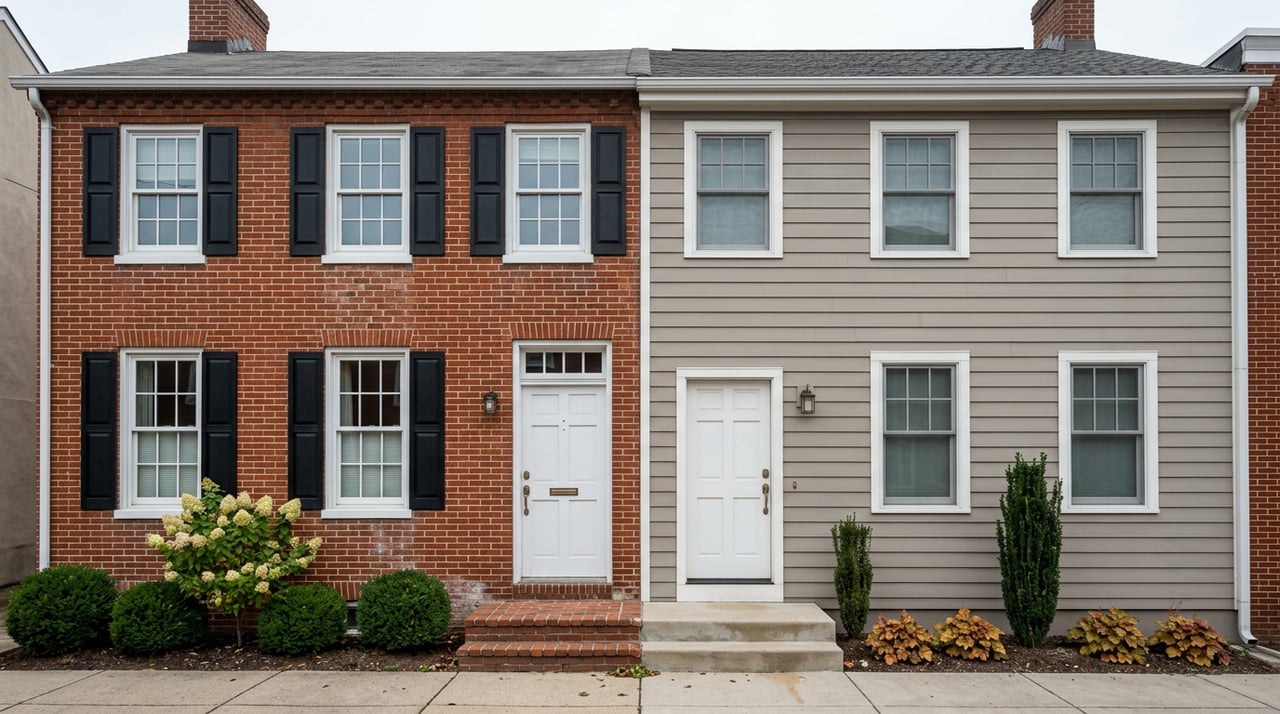
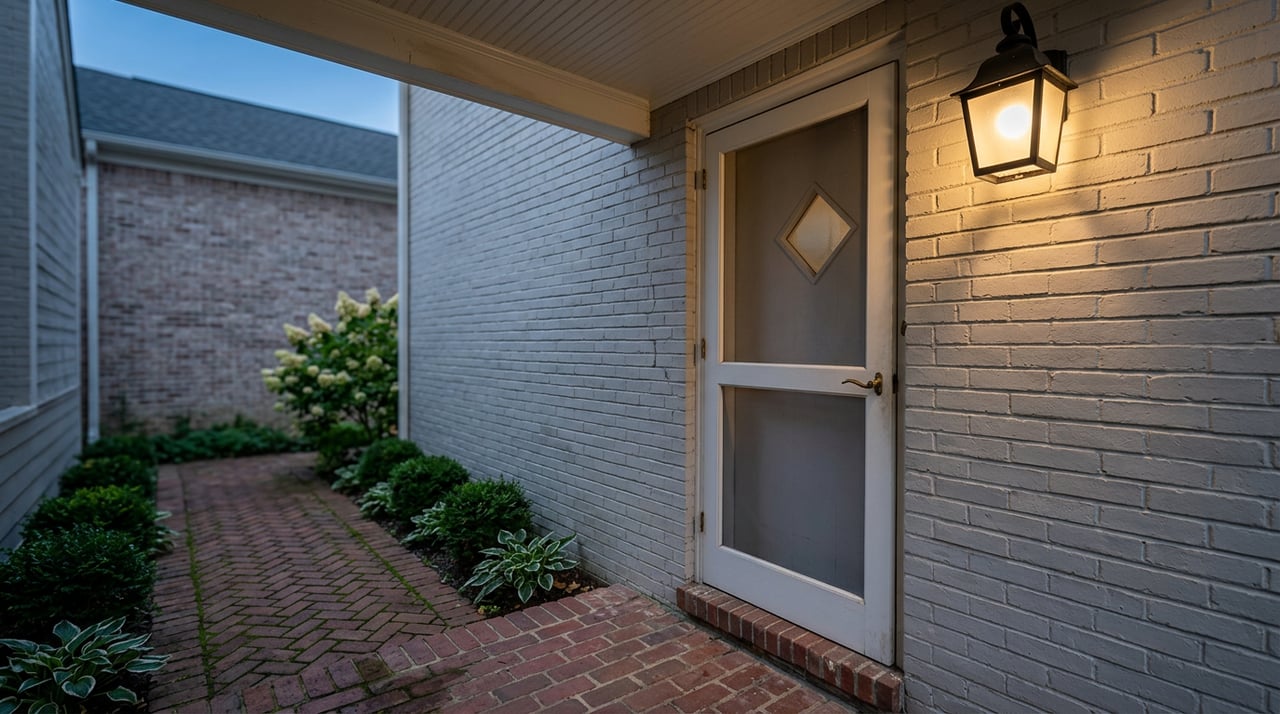
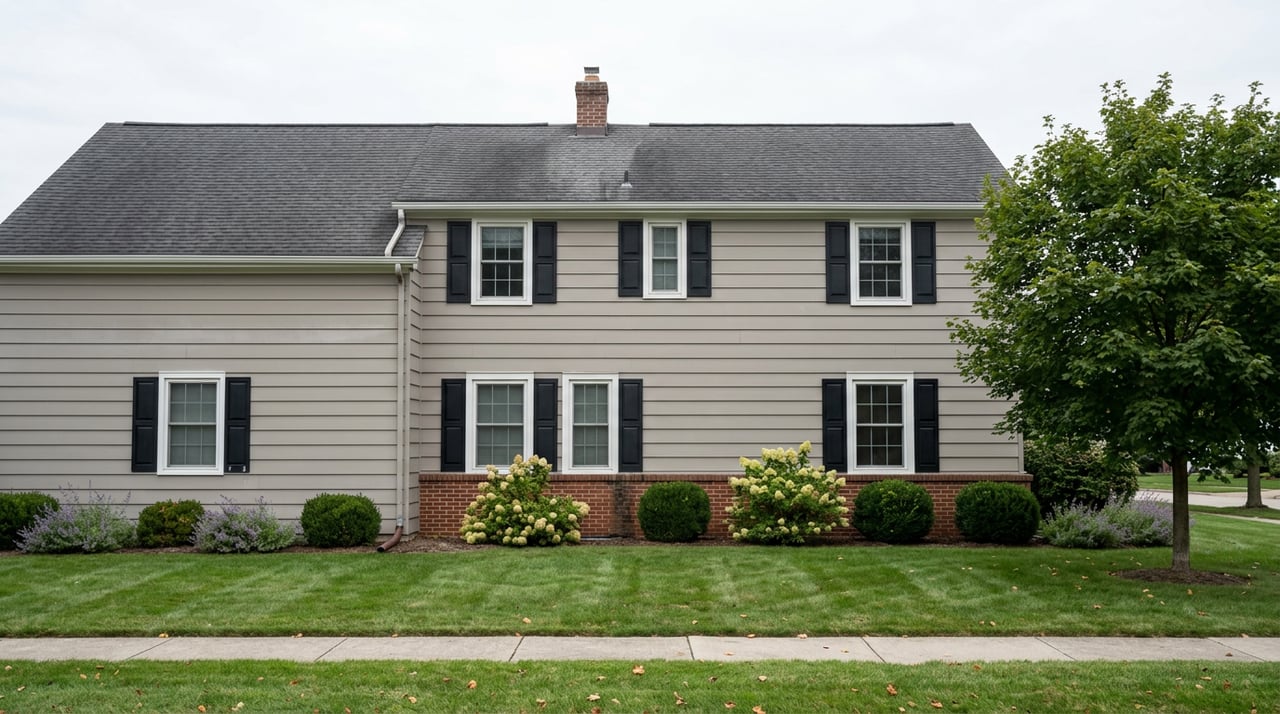
The Wissler Team is dedicated to providing you with exceptional service and unparalleled expertise. Discover the Difference Local Expertise Makes.