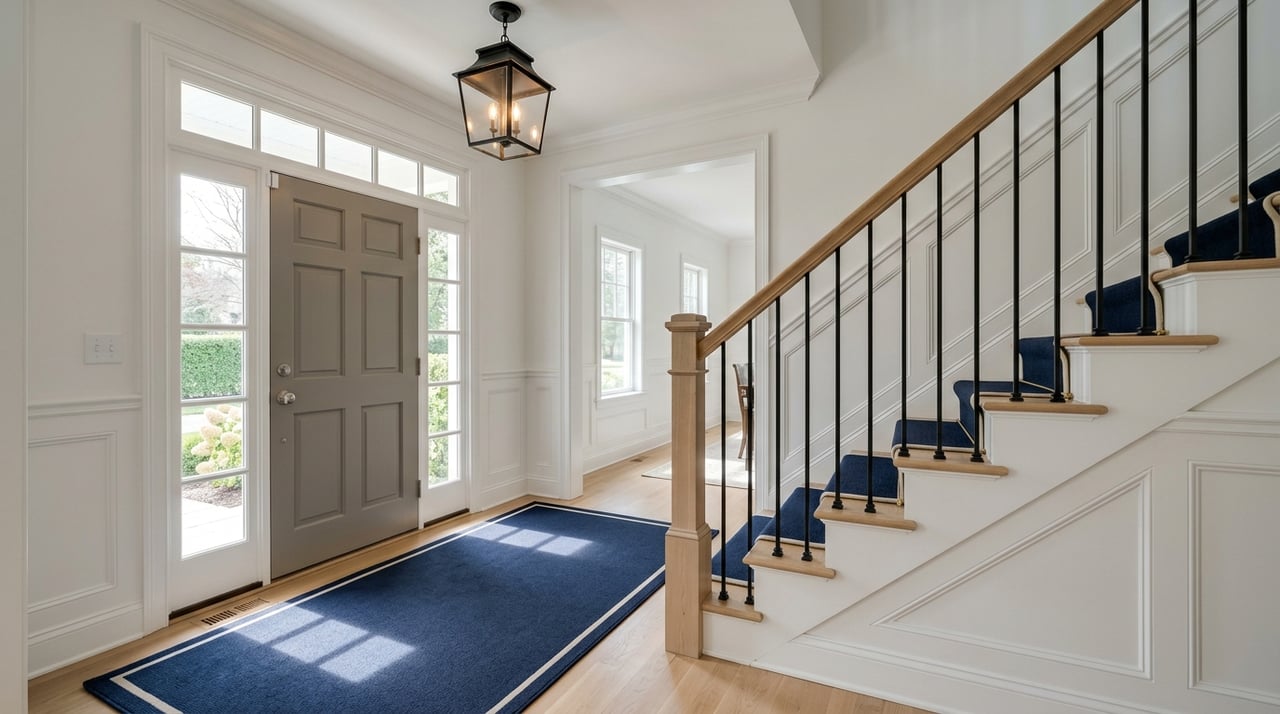
A Smart Plan for Move-Up Buyers in East Petersburg
May 7, 2026
May 7, 2026
Thinking about moving up in East Petersburg but not sure how to time it? You are not alone. When homes can move quickly and inventory stays tight, the biggest challenge is often figuring out how to sell your current home and buy the next one without creating extra stress. This guide will help you understand the local market, weigh your timing options, and prepare for a smoother move-up process in East Petersburg. Let’s dive in.
East Petersburg is a small borough about three miles northwest of Lancaster, with roughly 4,500 residents. The borough includes both established homes and newer housing developments, along with parks, bike paths, a community center, and a summer pool.
For many homeowners, that combination makes moving up within the same area especially appealing. If you already enjoy the community and want more space, a different layout, or updated features, staying local can help you keep the day-to-day routines you already value.
Hempfield School District serves East Petersburg, and East Petersburg Elementary is located in the borough. The community also includes a range of housing types, from townhouses and duplexes to single-family homes and other residential options, which can create more flexibility as your housing needs change.
If you are planning a move-up purchase, you need a clear read on the local market. Recent data points vary slightly by source, but they tell a similar story: inventory is limited, and well-positioned homes can attract attention quickly.
Zillow reported an average East Petersburg home value of $356,780 as of March 31, 2026, with only six homes for sale. Redfin reported a median sale price of $363,000, homes selling in about five days, and many receiving multiple offers. Realtor.com showed 13 homes for sale and a median 34 days on market in February 2026.
The exact numbers are not identical because each platform uses a different method and timeframe. Still, the overall takeaway is clear. East Petersburg remains a competitive market where planning matters.
In a tight market, the right move-up home may appear and go under contract fast. That means you need to know your likely budget, your timing options, and how flexible you can be before you start shopping seriously.
It also means your current home may attract solid interest if it is priced and prepared well. A smart plan can help you use that opportunity without feeling rushed on the buy side.
This is the biggest question for most move-up homeowners. The answer depends on your finances, your comfort with risk, and how much flexibility you need.
Selling first gives you a clearer financial picture. You will have a better sense of your net proceeds, which are often a key source of funds for your next down payment.
Freddie Mac notes that sellers receive sale proceeds at closing, and that the closing period typically takes 30 to 45 days after an offer is accepted. It also notes that closing costs can include commissions that typically run 3% to 8% of the sale price, plus fees and taxes that can add another 2% to 4%, before repairs or improvements are included.
That is why it is so important to estimate your likely sale price and costs early. If you sell first, you reduce the risk of carrying two homes at once, but you may also need a plan for temporary housing or a short gap between closings.
Buying first can give you more control if the right larger home comes on the market before your current home sells. In a place like East Petersburg, where inventory can be limited, that flexibility can be valuable.
The tradeoff is financial risk. If your current home has not sold yet, you may be juggling two transactions at once and, in some cases, two housing payments.
A move-up plan often works best when you answer a few practical questions first:
Contingencies can help reduce risk when you are buying and selling around the same time. The most common ones for move-up buyers are financing, inspection, appraisal, and home sale contingencies.
The CFPB recommends making an offer contingent on financing and a satisfactory inspection. Freddie Mac also explains that a home sale contingency can be useful when you need to sell your current home before the new purchase can move forward.
A home sale contingency can allow you to back out of the purchase if your current home does not sell within the agreed timeframe. If that happens, your earnest money may be returned under the terms of the contract.
That protection can be helpful, but there is a catch in a competitive market. Freddie Mac notes that contingencies are normal, yet too many can make an offer less attractive to sellers.
In East Petersburg, where local data points to low inventory and fast-moving listings, sellers may be less willing to accept a long or uncertain contingency period. They may also continue marketing the home or accept backup offers while your contingency is in place.
Inspection and appraisal terms matter, too. The CFPB says a satisfactory-inspection contingency gives you the right to cancel without penalty if the results are not acceptable.
Freddie Mac notes that a low appraisal can support renegotiation or cancellation depending on the contract terms. For move-up buyers, that means both homes in the transaction chain matter. The condition of your current home can affect how quickly it sells, while the appraisal on your next home can affect your financing and negotiation strategy.
When you are planning a move-up purchase, your current home is not just a property you need to sell. It is also part of the funding and timing strategy for your next move.
Freddie Mac notes that pre-listing expenses often include staging, carpet cleaning, interior painting, landscaping, and general repairs. Taking care of these items early can help you avoid delays once you are ready to list.
In Pennsylvania, preparation also includes paperwork and disclosure. Pennsylvania’s Seller Disclosure Law requires sellers to disclose known material defects and provide the disclosure statement before signing the agreement of transfer.
That disclosure covers issues such as termites, structural problems, water and sewage systems, plumbing, heating and air conditioning, electrical systems, hazardous substances, and certain title or HOA matters. If the information changes before settlement, the seller must notify the buyer.
This is one reason move-up planning should start before your next home search gets serious. Gathering records, understanding your home’s condition, and addressing known issues can make the sale side more predictable.
One of the trickiest parts of a move-up transaction is the handoff between homes. Even if both deals are moving smoothly, small timing issues can create stress during the final weeks.
Freddie Mac notes that the final walk-through typically happens about 24 hours before closing. At that point, the buyer checks that the home is vacant and in the condition promised in the contract, including any agreed repairs.
That means your move-out plan matters just as much as your pricing plan. If you expect to use sale proceeds from your current home to buy the next one, every date needs to be coordinated carefully, from settlement timing to possession terms and moving logistics.
East Petersburg may be small, but that can make planning even more important. When there are only a limited number of homes on the market, timing and preparation can shape your options quickly.
The borough’s mix of established homes and newer developments gives move-up buyers different paths to consider. Some homeowners want more square footage in a familiar setting, while others want newer finishes, a different lot, or a layout that better fits their current stage of life.
Lancaster County also remains active by recent measures. Redfin reported a county median sale price of $350,000 in March 2026 with 12 days on market, while Realtor.com showed about 1,500 homes for sale, a 100% sale-to-list ratio, and a median listing price of $379,900.
That broader county context helps explain why a clear plan matters so much in East Petersburg. You are not just managing one transaction. You are making decisions in an active market where preparation can create more confidence and better timing.
If you are thinking about moving up in East Petersburg, this general sequence can help:
A move-up move is rarely just about finding a bigger house. It is about making the numbers, the timing, and the logistics work together in a way that supports your next chapter.
If you want help mapping out the right sequence for your sale and purchase in East Petersburg, the David A Wissler Team of Coldwell Banker Realty can help you evaluate your options, prepare your current home, and build a plan that fits your goals.

The Wissler Team is dedicated to providing you with exceptional service and unparalleled expertise. Discover the Difference Local Expertise Makes.