That stone or brick facade on Main Street may have your heart. If you are drawn to Strasburg’s storied homes, you also want clarity about rules, inspections, and costs before you bid. In this guide, you will learn how the historic district works, what to inspect, how to plan exterior changes, and where to find local resources that can save you time and money. Let’s dive in.
Why Strasburg’s history matters
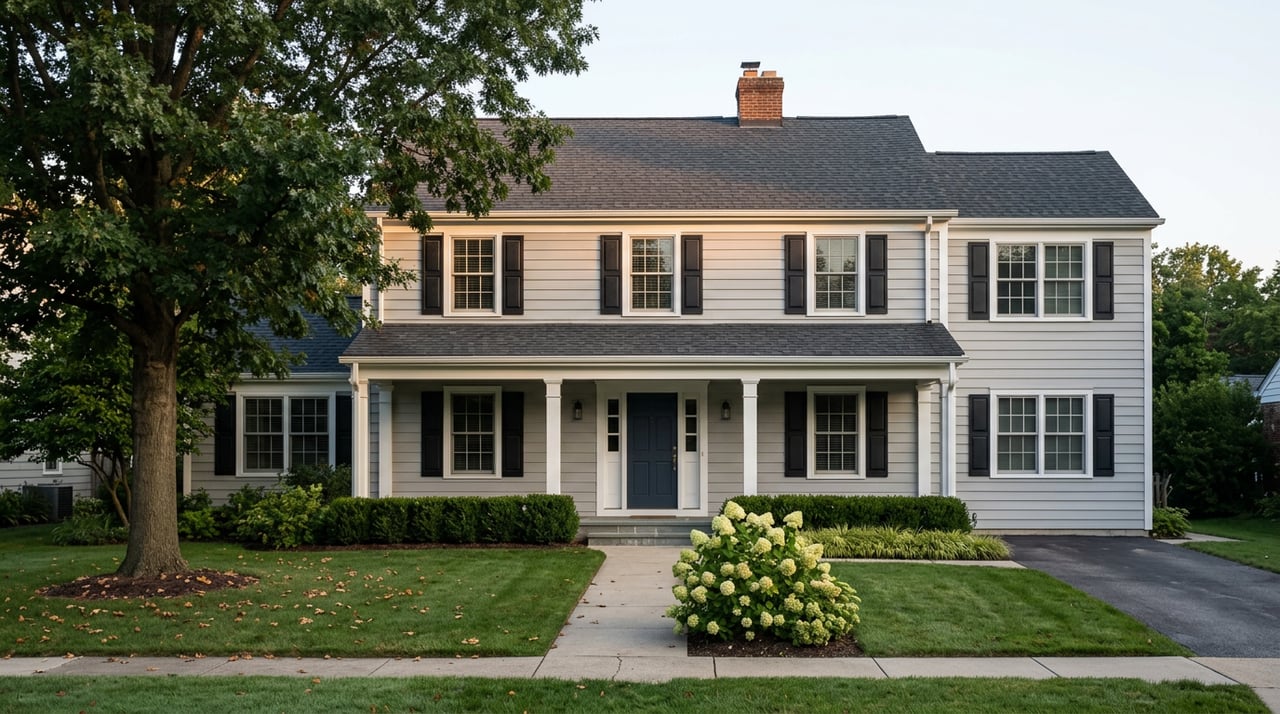
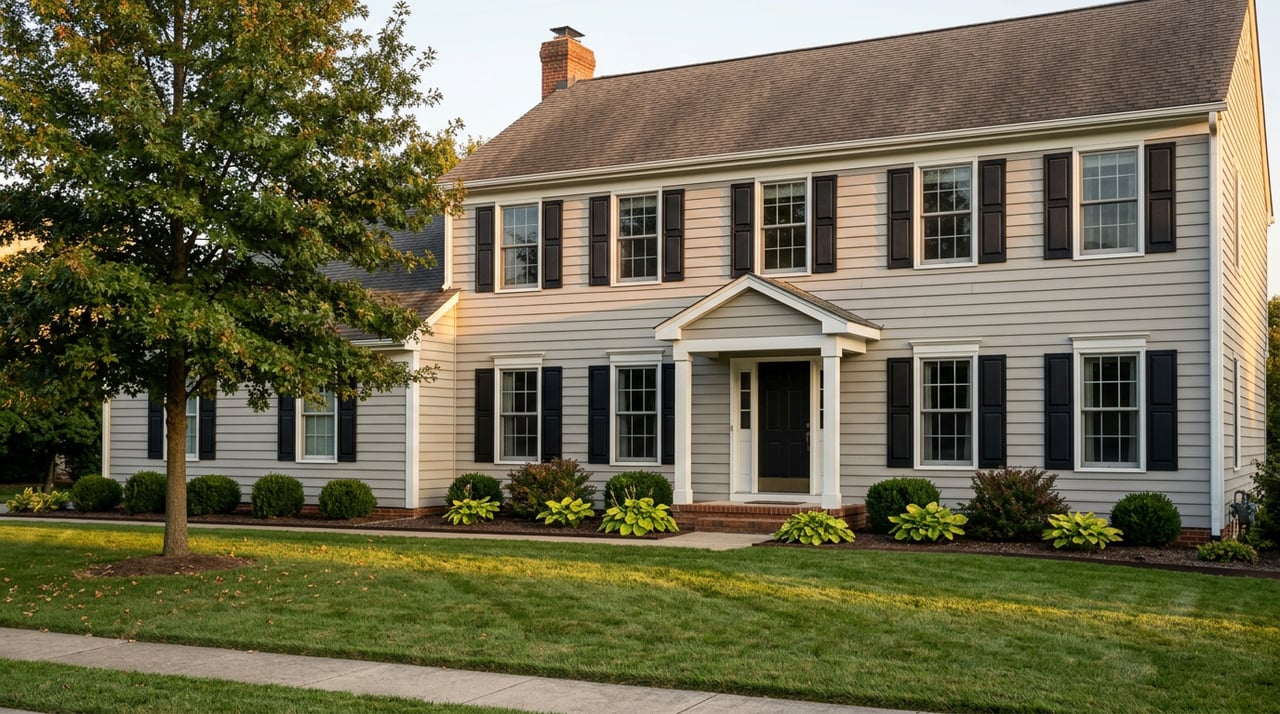
Strasburg’s downtown is a designated National Register Historic District with buildings that reflect Georgian, Federal, and German-vernacular styles. Many homes date to the 1700s and 1800s, with log, limestone, sandstone, and brick construction. You will see original wood windows, lime-based mortars, slate or metal roofs, and early interior finishes like plaster and oil-based paints. Explore the official nomination to get a feel for the district’s character in the Strasburg Historic District listing.
What that means for buyers
- You are buying a piece of local heritage, which often brings design protections for the exterior.
- Your renovation plan will likely need historic review if it changes what is visible from the street.
- Original materials are often repairable, but they require the right methods and contractors.
HARB approvals and permits
Strasburg Borough uses a Historical Architectural Review Board (HARB). If you plan exterior work visible from the roadway, you must apply to HARB and then seek a Certificate of Appropriateness from Borough Council before work begins. This usually covers siding, windows, roofs, gutters, masonry repointing, fences, porches, demolition, and new construction. Review current requirements and forms on the borough’s Historic District and HARB page.
How to plan your timeline
- Treat HARB as an early step, not an afterthought. Public meeting schedules can affect start dates.
- Ask whether in-kind repairs may qualify for administrative approval.
- Coordinate HARB review with building permits so submittals do not conflict or duplicate effort.
Materials and maintenance basics
Older Strasburg homes often include character features that are durable when handled properly. Using preservation-minded methods helps you avoid costly mistakes.
Masonry and mortar
Many historic walls used lime-rich mortar that allows the building to breathe. Repointing with hard portland-cement mortar can trap moisture and damage historic brick or stone. Follow the National Park Service’s Preservation Briefs and match original mortar properties, then hire an experienced mason. You can browse NPS technical guidance by topic in the Preservation Briefs library.
Windows
Original wood sash windows are often repairable and considered character defining. The NPS advises repair and weatherization first, including sash repair, reglazing, weatherstripping, and appropriate storm windows. If replacement is unavoidable, expect HARB to require historically appropriate materials and profiles. See window and energy-efficiency guidance in the NPS Preservation Briefs overview.
Roofs and porches
You may encounter slate, wood shingle, standing-seam metal, or later asphalt roofs. Historic porch columns, floors, and railings are also key features. Plan for periodic maintenance and use contractors who can repair in kind. NPS briefs and local HARB guidelines favor repair of historic fabric when possible.
Interior finishes
Plaster, oil-based paints, and early woodwork are common. Repairs should use methods that protect original materials. If you plan paint removal or plaster work, follow the techniques described in NPS Preservation Briefs.
Due diligence inspections
Standard home inspections are essential, but with historic properties you should add specialty evaluations so you understand safety, insurance, and budget impacts.
- General home inspection. Choose an inspector with experience in older homes who will assess structure, roof, drainage, visible plumbing, HVAC, basic electrical, and visible pest activity.
- Electrical specialist. Older homes may include knob-and-tube wiring, cloth-insulated conductors, or outdated panels. Some insurers limit or deny coverage when active knob-and-tube is present. If your inspector flags concerns, ask a licensed electrician for a written assessment and upgrade estimate. Learn why wiring type can affect coverage in this consumer overview of old-house wiring and insurance considerations on The Spruce.
- Plumbing and HVAC check. Galvanized or cast-iron pipes and older boilers or oil systems may be at end of life. Have a plumber and HVAC tech evaluate condition and replacement timing.
- Structural engineer if indicated. If you see significant settlement, bulging masonry, or major cracking, bring in a structural engineer who understands historic foundations.
- Chimney and fireplace inspection. Masonry chimneys may lack liners. Have liners, flues, and flashing checked before closing if you intend to use fireplaces.
- Lead-based paint assessment in pre-1978 homes. Federal rules require disclosure of known lead paint and provide consumer protections. If children will live in the home or you plan to disturb painted surfaces, schedule a lead inspection or risk assessment and use EPA RRP-certified contractors. See the EPA’s RRP guidance for consumers.
- Asbestos screening for renovations. Pre-1980 materials can contain asbestos. Do not disturb suspect materials without testing. If removal is needed, hire certified abatement. Review homeowner guidance from the CPSC on asbestos in the home.
- Radon testing. Lancaster County is a high-potential radon area. Test every property and plan for mitigation if results exceed the EPA action level. The EPA’s radon zone mapping supports testing in this region; see the federal overview in this EPA document.
- Termite and pest evaluation. Older wood framing and crawlspaces warrant a wood-destroying insect inspection.
Tip: If an inspection reveals a major system issue, consult your lender and insurance agent early to confirm how it may affect loan terms or coverage.
Utilities and services
Most properties inside Strasburg Borough are on public water through the Strasburg Borough Authority, with sewage service provided via the Suburban Lancaster Sewer Authority (SLSA) through the Borough Authority. Always confirm service type for a specific address and ask about owner responsibility for laterals or easements. You can find the appropriate contact and rate information on the borough’s Water and Sewer page.
Incentives and timelines
Local exterior-repair loans
If you plan facade, masonry, or other exterior repairs to a pre–World War II home, look into the local Strasburg Restoration & Preservation, Inc. program. This initiative offers low-cost loans for eligible exterior work and can help ease the upfront cost of preservation-minded repairs. Learn more on the Borough’s post about the Strasburg exterior home repair program.
State and federal historic credits
Federal historic tax credits typically apply to income-producing properties, not owner-occupied homes. Pennsylvania incentive programs can change through legislation. Contact the Pennsylvania State Historic Preservation Office to confirm current options and eligibility. Start with the PHMC overview and contacts on the PA SHPO page.
Scheduling tips
- Map your project phases around HARB and Council meeting calendars.
- Build time for specialty inspections, contractor bids, and any required mockups or material submittals.
- If you plan to pursue an incentive, confirm requirements before you start work.
Smart offer checklist
Use this quick list to strengthen your offer and protect your budget.
Pre-offer questions
- Is the home inside the Strasburg Historic District? Ask for any past HARB approvals and related permits. Verify requirements on the HARB information page.
- Is the property on public water and sewer or well and septic? Confirm with the Borough Authority and request recent utility bills if possible via the Water and Sewer page.
- Request a list of known renovations, dates, and contractors. Ask whether any hazardous-material surveys were completed.
Inspection contingencies
- General home inspection plus addenda for: licensed electrician, chimney/flue, specialized structural engineer if needed, radon test, and lead or asbestos testing when appropriate.
Pre-renovation planning
- If you anticipate exterior work, contact the borough early for HARB guidance, and ask whether in-kind repairs may qualify for faster approval.
- If the home is pre-WWII and needs exterior repairs, review eligibility for the local SR&P loan mentioned above.
Insurance and lender checks
- Ask your insurance broker and lender whether the current condition of wiring, roof, and chimney will affect policy binding or loan terms.
Work with the right pros
Historic homes reward careful planning. When you request bids, include the borough’s HARB guidelines and NPS Preservation Briefs as a baseline so all contractors price the same scope and methods. For windows, roofing, masonry, and porches, prioritize firms that can show experience with historic materials and provide mockups or samples if HARB requests them. You will preserve character, reduce risk, and often save money over the long term.
Ready to explore historic homes in Strasburg with a local guide who knows the process and the players? Connect with the David A Wissler Team of Coldwell Banker Realty to plan your next steps.
FAQs
What is Strasburg’s HARB and when do I need approval?
- Strasburg’s Historical Architectural Review Board reviews exterior changes visible from the roadway in the Historic District. Most exterior work requires a HARB application and a Certificate of Appropriateness from Borough Council before starting.
Can I replace original windows in a Strasburg historic home?
- Possibly, but repair and weatherization are preferred. If replacement is necessary, HARB will expect historically appropriate materials and profiles, and you should consult NPS Preservation Briefs for best practices.
Are there local funds to help with exterior repairs?
- Yes. Strasburg Restoration & Preservation, Inc. runs a low-cost exterior-repair loan program for eligible pre–World War II homes. Review details on the borough’s program page.
Does buying in the historic district limit interior changes?
- HARB jurisdiction focuses on exterior elements visible from the roadway. Interior updates typically do not require HARB review, but building permits may still apply depending on the work.
Is radon a concern in Lancaster County homes?
- Yes. Lancaster County is a high-potential radon area. Test every property and plan for mitigation if results exceed the EPA action level, using certified professionals.
How do utilities typically work in Strasburg Borough?
- Most properties are served by the Strasburg Borough Authority for public water, with sewage service via SLSA through the Borough Authority. Always confirm service type and any owner responsibility for laterals or easements before closing.