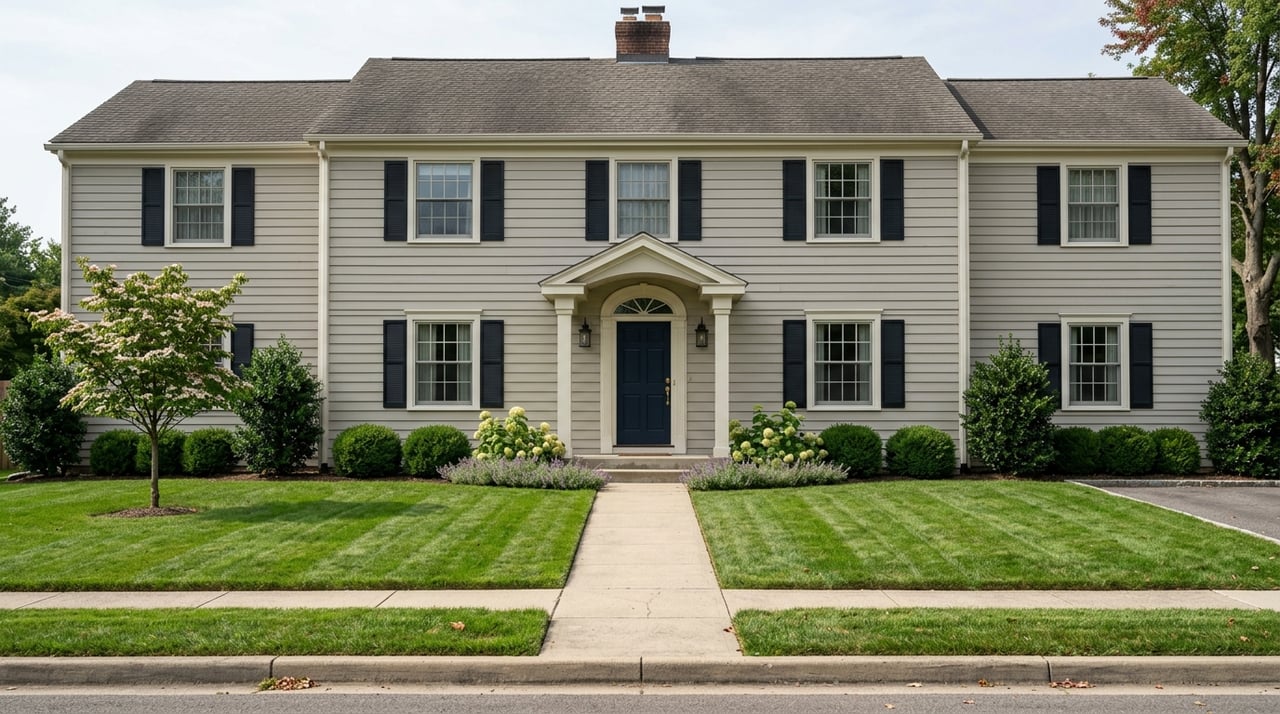
How to Sell a Home in East Petersburg From Prep to Closing
June 4, 2026
June 4, 2026
Wondering how to sell your East Petersburg home without leaving money on the table or getting tripped up by last-minute surprises? If you are moving up, downsizing, or simply ready for a change, it helps to know what really matters in this market. From pricing and prep to inspections and settlement, this roadmap will show you what to expect and how to move forward with more confidence. Let’s dive in.
East Petersburg is currently leaning toward sellers, and that changes how you should plan your sale. Recent market trackers point in the same general direction: homes are moving, and buyers are paying close attention when a well-prepared listing hits the market. That does not mean every home will sell instantly, but it does mean your first few days on the market matter a lot.
Redfin’s March 2026 data showed a median sale price of $363,000 in East Petersburg, with homes selling in 5.5 days and averaging 2.5% above list price. Realtor.com also identified East Petersburg as a seller’s market, with 14 homes for sale, a 100% sale-to-list ratio, and a median 27 days on market. Compared with Lancaster County’s March 2026 median sale price of $350,000, East Petersburg is sitting slightly above the countywide median.
For you as a seller, the takeaway is simple: price accurately and launch strong. In a market where buyers can move quickly, overpricing can slow momentum, while underpricing without a plan can leave value behind. A focused pricing strategy backed by local sold data is one of the most important early decisions you will make.
Before your home goes live, the goal is to remove friction. Buyers notice condition, presentation, and how well a property appears to have been maintained. The cleaner and more complete your prep is, the easier it is for buyers to act with confidence.
A smart pre-listing plan often includes:
East Petersburg has adopted both the Pennsylvania Uniform Construction Code and a local property maintenance code. For sellers, that makes visible upkeep, safety concerns, and permit-sensitive work worth reviewing before photos, showings, and inspections begin.
If you have completed updates over the years, now is the time to organize the paperwork. Appliance ages, roof or HVAC records, repair invoices, and prior inspection reports can all help you answer buyer questions more efficiently. Good records do not replace disclosure requirements, but they can make the process smoother.
In Pennsylvania, sellers are required to complete the Seller’s Property Disclosure Statement. This form covers known material defects that are not readily observable, which is why gathering your home history early is so helpful. You want to answer clearly and honestly, without scrambling at the last minute.
It is also important to understand what the form does and does not say. The state form explains that it is not a warranty, and a system nearing the end of its useful life is not automatically considered a material defect by itself. Still, if you know of a material issue, accurate disclosure matters.
This is one area where being proactive can save time later. When sellers take disclosures seriously from the start, there is often less confusion during inspection negotiations. That helps keep your deal on track.
Presentation has a direct impact on how buyers respond to your home. In a competitive market like East Petersburg, polished photos and a strong first impression can influence both activity and perceived value. Even modest changes can make your listing feel more inviting and easier to understand online.
According to the National Association of Realtors’ 2025 Profile of Home Staging, 83% of buyers’ agents said staging made it easier for buyers to visualize a property as a future home. The same report found that 29% of sellers’ agents said staging increased the dollar value offered by 1% to 10%. The rooms identified as most important to stage were the living room, primary bedroom, and kitchen or dining areas.
That does not mean you need a full redesign. Often, the biggest wins come from editing the space, improving lighting, simplifying decor, and making each room’s purpose clear. If you are deciding where to spend time and money, start with the spaces buyers are most likely to remember.
Once your prep work is done, your listing needs to hit the market looking sharp from day one. In East Petersburg, sold-home data suggests buyers can act quickly, so delaying improvements until after launch can cost you attention early on. The best strategy is usually to enter the market ready.
A strong launch often includes:
Because most buyers and sellers continue to work with an agent, full-service support remains the norm for many households. NAR’s 2025 consumer survey found that nearly 9 in 10 buyers and sellers worked with a real estate agent. For you, that can mean having help with pricing, staging guidance, contractor coordination, marketing, and negotiation under one plan instead of trying to manage everything alone.
Getting an offer accepted is a major milestone, but it is not the finish line. The period between contract and closing is where timing, communication, and follow-through become especially important. This is also when many sellers first realize how many moving parts still remain.
After agreement, the buyer will usually move quickly on inspections and lender steps. A home inspection and an appraisal serve different purposes, and buyers often need both. The inspection looks at the property’s condition, while the appraisal supports the lender’s value decision.
For sellers, this stage usually means staying flexible, organized, and responsive. If the inspection raises concerns, the next step may be repair requests, credits, or a mix of both. Having estimates, records, and a realistic understanding of your home’s condition can help you evaluate requests without losing momentum.
Inspection negotiations can feel personal, but they are usually just part of the process. Most buyers want clarity and confidence, especially when they are making a major financial decision. Your job is not to promise perfection. It is to respond reasonably and keep the transaction moving.
A few practical ways to stay ahead during inspections include:
If something comes up late in the transaction, there may still be options. In some cases, a seller credit can be negotiated instead of completing a repair before closing. That flexibility can help both sides reach the finish line when timing is tight.
As closing gets closer, details matter more, not less. Lender requirements, title work, transfer documents, and final numbers all need to come together on schedule. This is where strong coordination can prevent delays.
Borrowers must receive the Closing Disclosure at least three business days before closing. Before settlement, buyers also typically complete a final walk-through to confirm agreed repairs were finished and that any items the seller agreed to leave are still in the home. If something changed unexpectedly, it may need to be resolved before signatures.
At settlement, you will sign the deed and other required transfer documents. The settlement agent prepares the paperwork, and the deed is then recorded with the Lancaster County Recorder of Deeds office. Title and settlement services can include the title search, title insurance, and closing-agent fees, so staying on top of scheduling and document requests is important.
Many sellers focus heavily on sale price but underestimate closing costs. Knowing these expenses early can help you plan your net proceeds more accurately. One of the biggest line items in Pennsylvania is transfer tax.
Pennsylvania imposes a 1% state realty transfer tax, and East Petersburg Borough imposes a 1% local realty transfer tax. These are collected during the recording process, subject to any exemptions that may apply. Other costs tied to title and settlement coordination may also affect your final numbers.
This is another reason a clear net sheet matters before you list. It is not just about what your home may sell for. It is about what you can realistically expect to walk away with after the transaction closes.
The strongest East Petersburg sales usually do not happen by accident. They are built through accurate pricing, thoughtful prep, clear disclosures, strong presentation, and careful management after the offer is signed. In a market that still leans in sellers’ favor, preparation gives you the best chance to protect both your price and your timeline.
If you are thinking about selling, the best next step is to build a plan around your property, your timing, and your goals. The David A Wissler Team of Coldwell Banker Realty offers hands-on support with pricing, staging guidance, contractor coordination, negotiation, and closing so you can move forward with confidence.
The Wissler Team is dedicated to providing you with exceptional service and unparalleled expertise. Discover the Difference Local Expertise Makes.