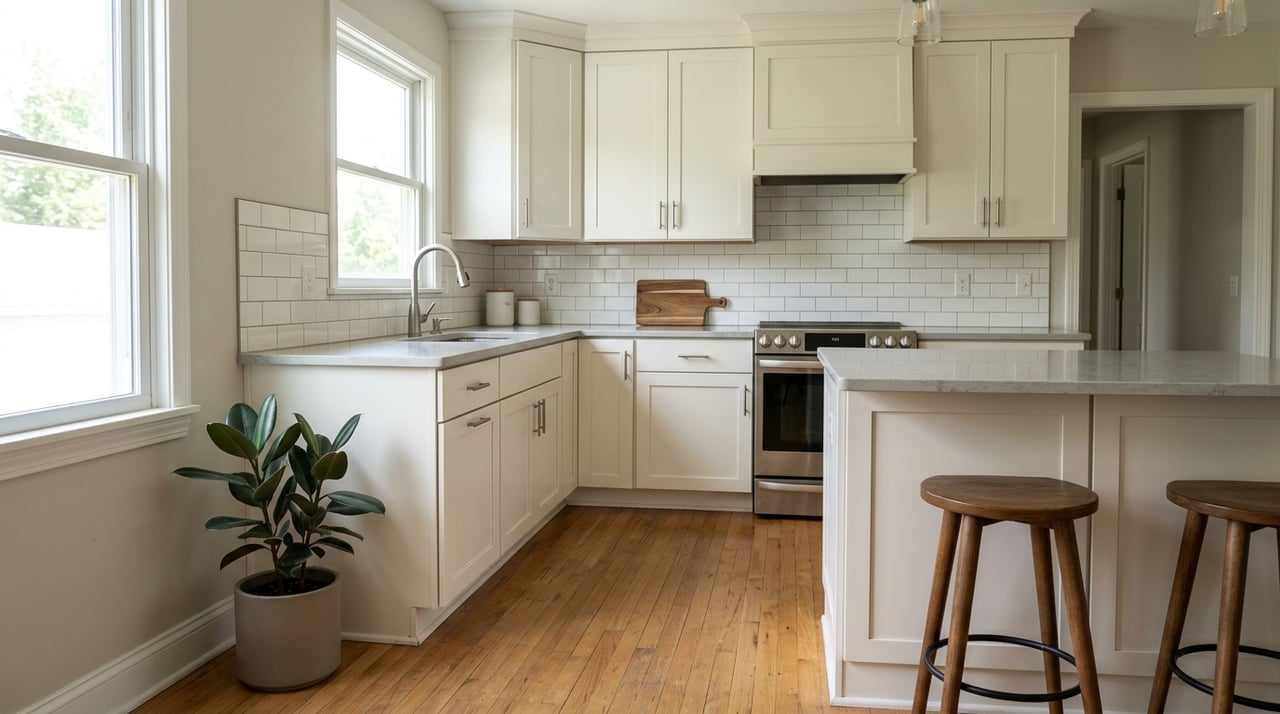
Akron PA Rental Properties: A Guide for Local Investors
June 25, 2026
June 25, 2026
Thinking about buying a rental property in Akron, PA? It can be a smart move, but this is not the kind of market where you want to guess. Akron is a small Lancaster County submarket with its own housing mix, rent range, and local code rules, so the details matter. If you want a clearer picture of what to look for before you buy, this guide will walk you through the basics. Let’s dive in.
Akron Borough is a compact market with 4,143 residents, 1,666 households, and 1,692 housing units. That smaller scale matters because inventory, price point, and property condition can have a bigger impact here than in a larger city market.
The area also appears relatively stable. Public data show a median age of 36.5, a mean commute time of 24.2 minutes, and 9.7% of residents having moved within the previous year. That points to a market with activity, but not constant turnover.
For investors, the entry point may be somewhat lower than the county overall. Akron’s median owner-occupied home value is $264,600, compared with $301,100 across Lancaster County. That does not guarantee a deal, but it does suggest Akron may offer a more accessible purchase price in some cases.
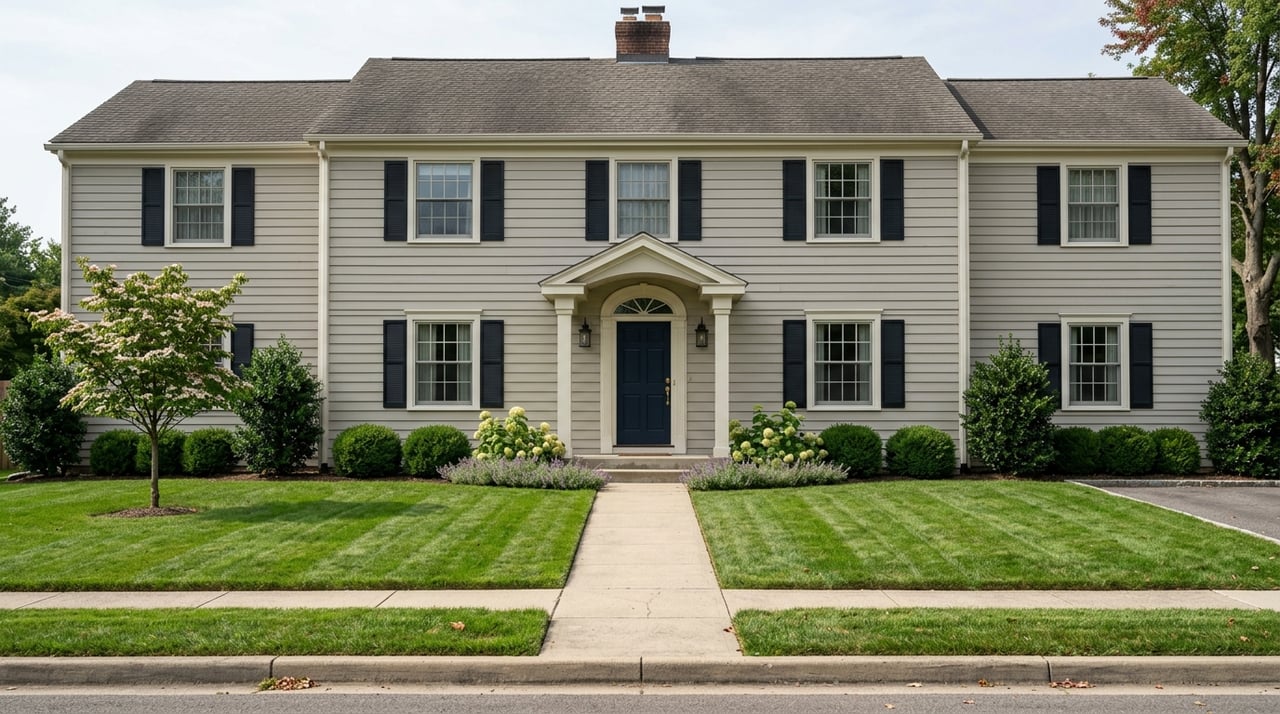
If you are looking for a likely rental product in Akron, start with smaller residential properties. The borough’s housing stock is heavily weighted toward single-unit homes, with 65% of structures in that category, 98% occupancy, and 63% owner occupancy.
The ZIP 17501 data, which can help as a local market proxy, tells a similar story. It shows 65.8% single-family units, 28.8% multi-family units, 33.5% renter occupancy, and just 1.36% vacancy.
That mix suggests many realistic investor opportunities will be in:
If your plan involves a larger apartment-style investment, Akron may offer fewer natural fits. In this market, smaller properties are more aligned with the existing housing stock.
Akron does not read like a high-rise or high-turnover rental market. Instead, public data suggest a modest, fairly tight market where a well-kept property at the right price point may have more appeal than a heavy-fix project with an aggressive rent target.
Lancaster County’s median gross rent is $1,357, while the Akron ZIP 17501 proxy shows a median gross rent of $1,174. That gap suggests Akron is a somewhat more affordable pocket within the broader county.
Household size also helps tell the story. Akron averages 2.5 persons per household, which may support demand from singles, couples, and smaller households looking for more space than a typical apartment without taking on a larger home.
For a basic first-pass demand check, pay close attention to:
When these numbers are viewed together, Akron looks like a market where practical pricing and solid condition matter. A rental that is clean, functional, and well-maintained may be better positioned than one that depends on pushing rent far above the local norm.
In a compact market like Akron, condition can play an outsized role in performance. Because this is not a high-vacancy environment, tenants may still have choices, especially among smaller residential properties.
That means your numbers should reflect realistic improvement costs from the start. Cosmetic updates may be one thing, but renovations, layout changes, and unfinished-space conversions can trigger permits and compliance requirements.
Before you buy, look closely at the age, systems, layout, and upkeep of the property. A lower purchase price can lose its appeal quickly if the home needs more work than expected.
Akron’s zoning ordinance supports residential housing across various dwelling types, but permitted use depends on the parcel and zoning district. The borough includes R-1, R-2, R-3, C-1, C-M, and floodplain districts.
For investors, that means you should not assume every property can be used or modified the same way. If you are considering a conversion, an expansion, or a less typical residential use, the zoning district and any needed approvals become especially important.
This is one of the first checkpoints that can save you time and money. Before you build your plan around a certain unit count or layout change, confirm what the parcel actually allows.
Akron Borough has adopted the 2012 International Property Maintenance Code. The borough also states that a building permit is required for constructing, remodeling, and renovation of any building or accessory structure, with only limited cosmetic work exempt.
That matters for many common investor projects. The borough says permits are required for work such as:
If your investment strategy depends on value-add renovations, budget both time and money for approvals and code compliance. Informal rehab assumptions can create delays and cost overruns.
If you are considering a short-term rental strategy, be careful not to treat it like a standard long-term rental. Akron regulates short-term rentals separately and more restrictively.
The borough defines a short-term rental as a furnished single-family dwelling, or part of one, rented for fewer than 30 days. It requires registration and inspection before approval, a local contact person, annual permit renewal, and county hotel or room-tax registration.
The borough also states that the owner of the dwelling must reside in the borough. For many investors, that requirement alone could change whether a short-term rental plan is realistic.
State law also affects your rental setup. Under Pennsylvania’s Landlord and Tenant Act, residential security deposits are limited to two months’ rent during the first year and one month’s rent in the second year and after.
The law also requires escrow handling and written notice for deposits over $100. If you are building your operating systems for a rental, these are core basics to get right from day one.
Fair housing compliance matters as well. The Pennsylvania Human Relations Commission and HUD state that fair housing rules apply to renting, buying, lending, and related housing decisions. For landlords, that means keeping your advertising, screening, and lease practices consistent and compliant.
A rental property can look promising until recurring costs are added in. Akron publishes separate information for borough and county property taxes, school district taxes, water, and sewer, and those expenses should be part of your review before you buy.
Borough and county property taxes are billed together, while school district taxes are billed separately. Water and sewer rates are also published by the borough.
A simple Akron rental pro forma should include:
Even in a relatively stable market, conservative math can help you avoid overpaying. In Akron especially, the right buy is often the property where the numbers work without overly optimistic assumptions.
For many local investors, Akron may make the most sense as a buy-and-hold market focused on smaller residential properties. The strongest public signals are lower-than-county home values, low vacancy in the ZIP proxy, a meaningful renter share, and a housing stock dominated by single-unit structures.
That points to a simple strategy. Focus on homes or small residential properties that match the local housing mix, price rent in line with the area, and plan improvements with local code requirements in mind.
In other words, Akron may reward steady, code-compliant ownership more than high-risk repositioning. If you stay grounded in the local numbers, you can make better decisions from the start.
If you are comparing Akron opportunities or trying to make sense of property condition, pricing, and local fit, the David A Wissler Team of Coldwell Banker Realty can help you evaluate Lancaster County investment options with practical local insight.
The Wissler Team is dedicated to providing you with exceptional service and unparalleled expertise. Discover the Difference Local Expertise Makes.