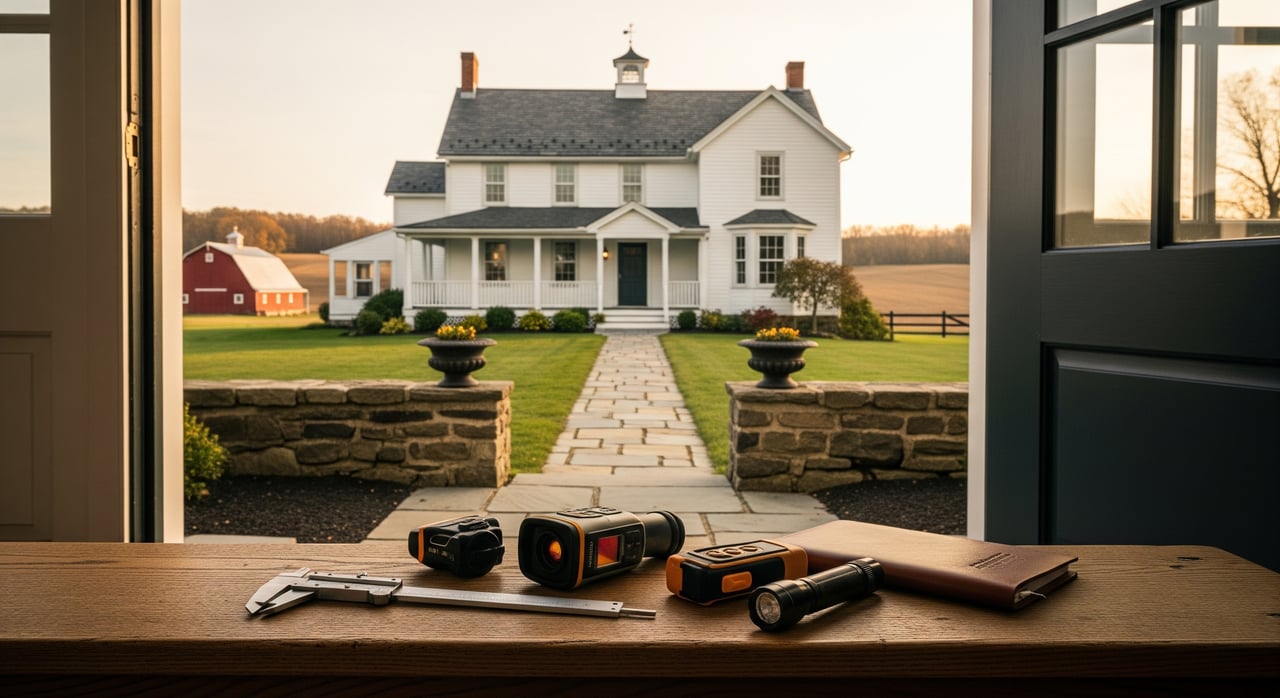
Lancaster PA Home Inspection Steps for Local Buyers
January 1, 2026
January 1, 2026
Are you wondering what really happens during a home inspection and how it can impact your purchase in Leola? You are not alone. First-time buyers often feel overwhelmed by timelines, reports, and repair negotiations. This guide breaks down what inspectors look for, which local tests matter most in Lancaster County, what the process costs, and how to use the results to make confident decisions. Let’s dive in.
A standard home inspection focuses on the visible and readily accessible parts of the home at the time of the visit. Inspectors evaluate structure and foundation, roofing, exterior elements like siding and porches, interior walls and floors, windows and doors, electrical service and panels, plumbing fixtures and visible piping, HVAC function, and included appliances. Inspectors document observed defects and recommend further evaluation when needed.
Inspectors follow standards from respected organizations like InterNACHI and ASHI. These standards outline scope and reporting practices so you know what is being evaluated during your appointment.
An inspection is a snapshot in time. It does not guarantee future performance or certify that a home is perfect. Inspectors generally do not open walls, test for code compliance, estimate life spans, or evaluate inaccessible areas. Testing for pests, mold, radon, asbestos, or lead is not included unless you order those services. If an area is blocked or a system cannot be operated safely, it will not be inspected.
You typically hire the inspector right after your offer is accepted and within your inspection contingency window. In many transactions, buyers have 7 to 14 days for inspections, report review, and requests, but your Agreement of Sale controls the exact timing in Pennsylvania. Plan to attend the inspection, ask questions, and see findings firsthand. Most inspections take 1 to 4 hours depending on the home’s size and age.
Many inspectors deliver digital reports the same day or within 24 to 48 hours. If you need specialty inspections like radon, septic, or well testing, build in extra time because scheduling and lab work can take additional days. Rural properties or older homes may also require more time for specialist evaluations and contractor estimates. Work closely with your agent to meet all deadlines in your contract.
Radon is common across Pennsylvania, so testing is routinely recommended for homes in Leola and throughout the county. Short-term tests typically run 48 to 96 hours during the inspection window. If levels are elevated, you can consult a mitigation professional and negotiate a remedy or credit.
Many properties in Lancaster County rely on private wells and on-lot septic systems. For wells, consider testing for total coliform and E. coli bacteria, nitrates, pH, conductivity, and possibly lead or other local contaminants. If a property is agricultural or near farmland, testing for nitrates and certain pesticide compounds can be wise.
For septic systems, schedule a full evaluation that can include a tank inspection, pump, and assessment of distribution and absorption areas. Local health department rules may apply to repairs or transfers. If the home is on public sewer, a camera scope can help check for blockages or root intrusion in the lateral line.
Lancaster County has many older homes. Common findings include older electrical systems like fuses or knob-and-tube wiring, ungrounded outlets, or missing GFCIs. Insulation can be insufficient, and lead-based paint may be present in homes built before 1978. If asbestos or lead is a concern, specialized testing is a separate service.
Inspectors will look for signs of moisture in basements and crawlspaces, such as efflorescence, visible mold-like growth, active intrusion, or grading problems. Older masonry foundations can show typical wear, and drainage improvements may be recommended to manage water.
Older homes may have boilers fueled by natural gas or oil. If an oil tank is present, you should confirm its location and condition. Your inspector may recommend a specialist if there are concerns about heating safety or fuel storage.
Proximity to farmland can influence water quality and occasional odors or dust. If the property is close to active agricultural uses, discuss water testing options that address those risks.
Budget for the inspection phase so you can move quickly within your contingency.
Local pricing varies, so request written estimates from each provider.
Inspection reports can feel long, but most items fall into clear categories. Read the entire report and highlight the most important issues first.
Treat exposed live wiring, gas leaks, active water intrusion, or major structural concerns as top priority. Failures that affect habitability, such as a non-working heating system in winter or a failing septic system, require quick action.
Distinguish between high-cost structural or system issues and routine maintenance. Drippy faucets, minor caulking gaps, and small cosmetic items are common and often managed after closing. When older systems are near the end of their expected life, a credit or price adjustment can be more practical than full replacement before closing.
For significant findings, obtain 2 to 3 contractor estimates. If the inspector recommends further evaluation, bring in the right specialist, such as a structural engineer, electrician, or HVAC contractor. This helps you request fair repairs or credits and avoid surprises.
After reviewing the report, you generally have several choices. You can proceed as-is, request specific repairs, ask for a price reduction or credit, or, if your contract allows, cancel within the contingency. Be precise in your requests and list each item clearly in your amendment.
Lead with safety and major defects. Support monetary requests with contractor estimates. If the seller cannot complete repairs before closing, discuss an escrow or holdback so funds are set aside to finish the work. For major pre-closing repairs, ask for receipts and consider a re-inspection to verify completion.
Some repairs may be required by your lender, particularly those tied to safety and habitability. Certain conditions can also affect homeowners insurance availability or premiums. Confirm requirements early with your lender and insurance agent.
Based on the property, you may also need a certified radon tester, a licensed septic inspector, a certified lab for well samples, a structural engineer, or licensed electricians, plumbers, HVAC contractors, and pest inspectors. Ask your agent for recommendations, then verify credentials and reviews yourself.
Use this step-by-step list to stay on track in Leola and throughout Lancaster County.
A thorough inspection helps you buy with confidence and plan for your first years of ownership. With the right add-on tests and a clear strategy for reading the report, you can protect your investment and keep your purchase on schedule. If you want local guidance, contractor connections, and responsive support from contract to closing, connect with the David A Wissler Team of Coldwell Banker Realty.
The Wissler Team is dedicated to providing you with exceptional service and unparalleled expertise. Discover the Difference Local Expertise Makes.