Lancaster City Real Estate Taxes: What Buyers Should Know
August 20, 2026
August 20, 2026
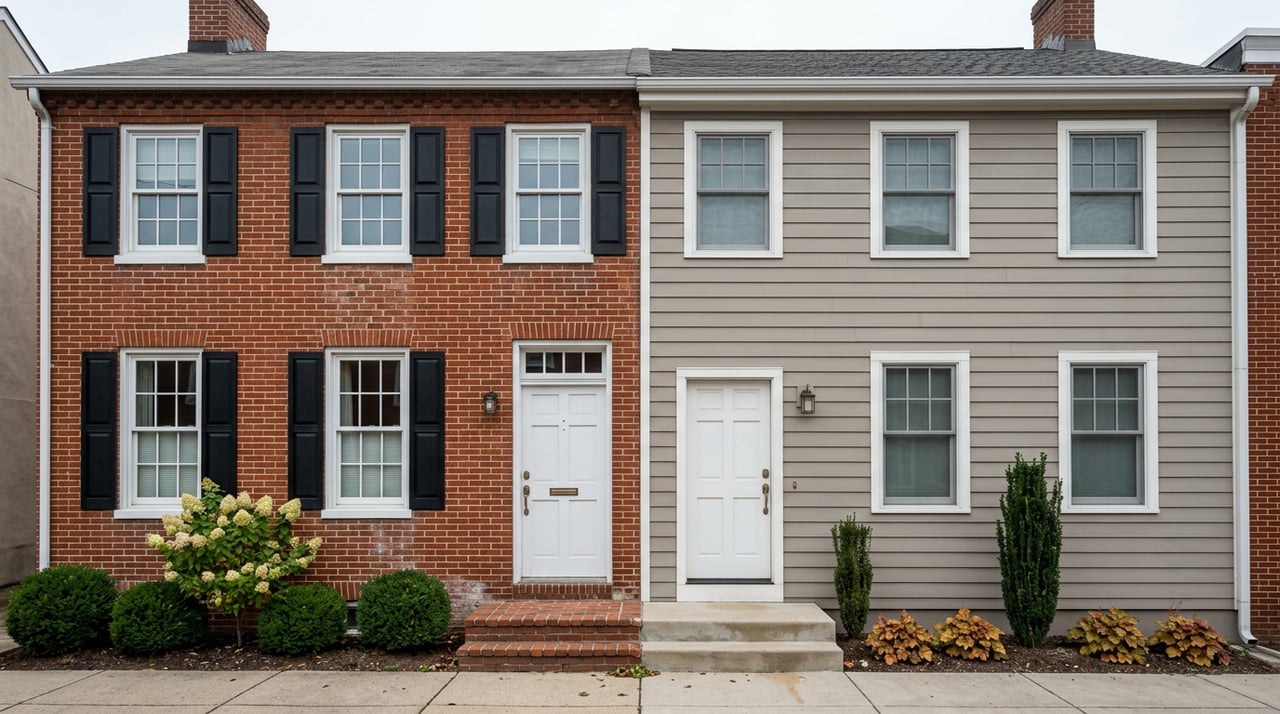
Picture two buyers touring rowhomes eight blocks apart, both inside Lancaster City limits, both listed within a few thousand dollars of each other. Most people assume the tax bill will land in roughly the same place too. Same city, same zip code, same trash pickup schedule. It should follow that the tax math is close enough not to matter.
It isn't. One of those buyers could end up paying a different school district entirely, a different total mill rate, and could face a renovation approval process the other never has to think about. Lancaster City isn't one tax bracket wearing one address. It's several, and the lines that separate them rarely match the neighborhood names buyers use to get around.
Every property in Pennsylvania carries a property tax bill split between the county, the municipality, and the school district. That much is standard. What catches people off guard in Lancaster City is the earned income tax that rides alongside it.
As of 2025, the City of Lancaster says residents pay a 1.6 percent earned income tax, split 1.1 percent to the city and 0.5 percent to the school district. The Lancaster County Tax Collection Bureau’s 2025 schedule shows a flat 1 percent rate in a number of the townships that ring the city, including West Lampeter, Strasburg Township, and Penn Township, with no separate school-district earned income tax layered on top. Cross the city line and your income, not just your property, starts getting taxed differently.
This is the number that never shows up on a listing sheet. A buyer comparing a $300,000 rowhome in the city to a $310,000 twin in East Lampeter Township is usually running the comparison on mortgage payment and property tax alone. The earned income tax difference compounds every paycheck, every year you own the home, in a way the closing disclosure never itemizes.
Here's the part that surprises even people who've lived in Lancaster County a while. Most of Lancaster City sits in the School District of Lancaster. But not all of it. Tucked into the city's tax rolls are what the Lancaster County Tax Collection Bureau labels Lancaster City Annex parcels, properties physically inside city limits whose school tax dollars flow to Conestoga Valley School District or Lampeter-Strasburg School District instead.
That means two homes on the same city block, both with a Lancaster mailing address, both paying that 1.6 percent city earned income tax, can be sending their school property taxes to two entirely different school boards with two entirely different budgets and two entirely different millage rates. The address tells you almost nothing about which school district's finances actually determine your bill.
If you're comparing properties by neighborhood name alone, this is exactly the kind of detail that gets missed. The Lancaster County Tax Collection Bureau's published tax rate schedule lists these annex designations by municipal code, and it's worth asking your agent or title company to confirm which school district code applies to a specific parcel before you get attached to a house.
Property tax rates get expressed in mills, with one mill equal to a dollar of tax for every thousand dollars of assessed value. Because the county, the city, and the school district each set their own rate independently, the combined total for a Lancaster City property can range from around 14 mills to around 36 mills depending on exactly which taxing bodies apply to that parcel, according to SmartAsset's breakdown of Pennsylvania property taxes. That's not a typo and it's not a rounding difference. It's the direct result of the annex situation above, plus whatever the county and city millage happen to be in a given year.
And this year, that number is genuinely in motion. Lancaster County conducted its last full property reassessment in 2017, adjusting the county millage rate from 3.735 down to 2.911 to keep the reassessment revenue neutral. The county has now begun its next reassessment cycle, and notices started arriving in homeowners' mailboxes in June 2026. The county has said that whatever the new assessed values turn out to be, all taxing bodies are required to adjust their rates so the reassessment itself doesn't generate extra revenue. Historically, that's meant close to a third of property owners see their bill go up, a third see it drop, and a third land close to where they started.
Separately, county commissioners spent late 2025 debating whether to raise the county's portion of the millage rate from 2.911 to 3.2, citing rising costs of running county services. As FOX43 reported, one commissioner said, "the damage is here, it's real." Whether or not that specific increase was ultimately adopted, the larger point holds for anyone signing an agreement of sale in Lancaster City right now: the millage rate on the listing sheet you're looking at today is not guaranteed to be the millage rate you're paying in 2027. Your lender can model a range, but nobody, including the county, can hand you a precise number yet.
There's a third layer specific to Lancaster City that most buyers don't learn about until after they've closed and started planning a project. The Lancaster County Planning Commission’s historic preservation guidelines identify Lancaster City, Strasburg Borough, and Columbia Borough as the county’s only three municipalities using this type of regulation for exterior building changes through a Historical Architectural Review Board.
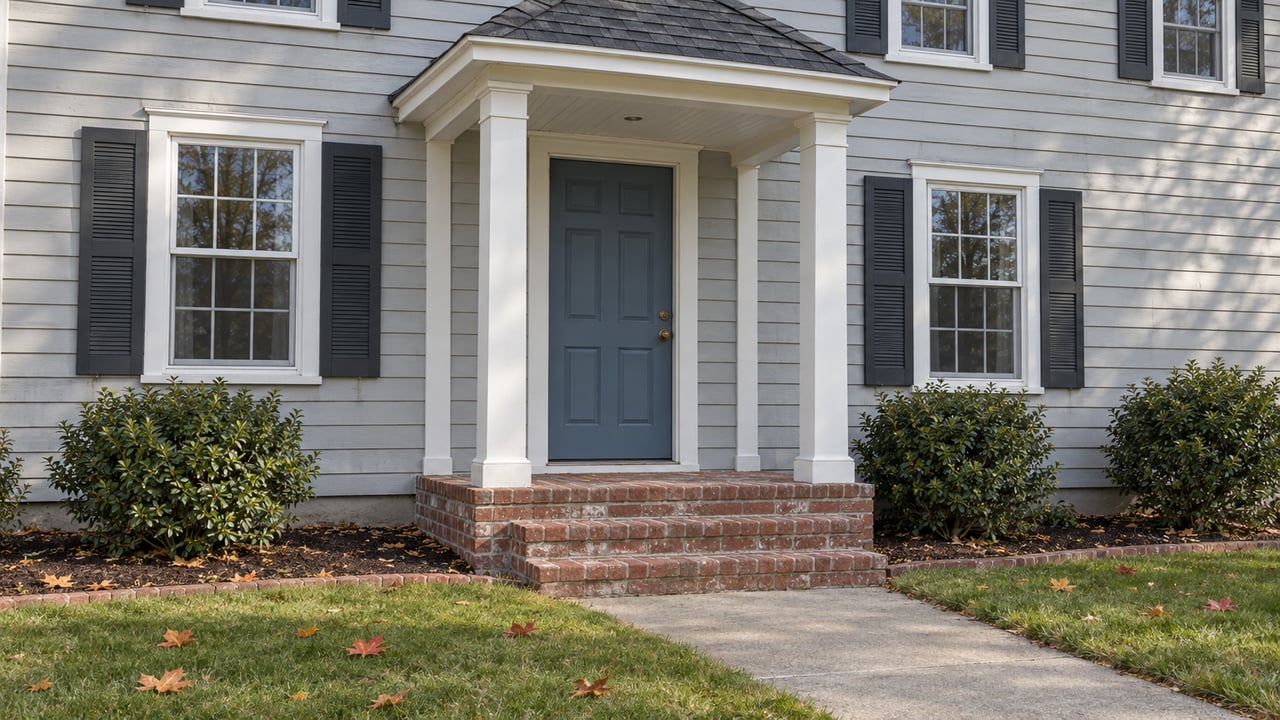
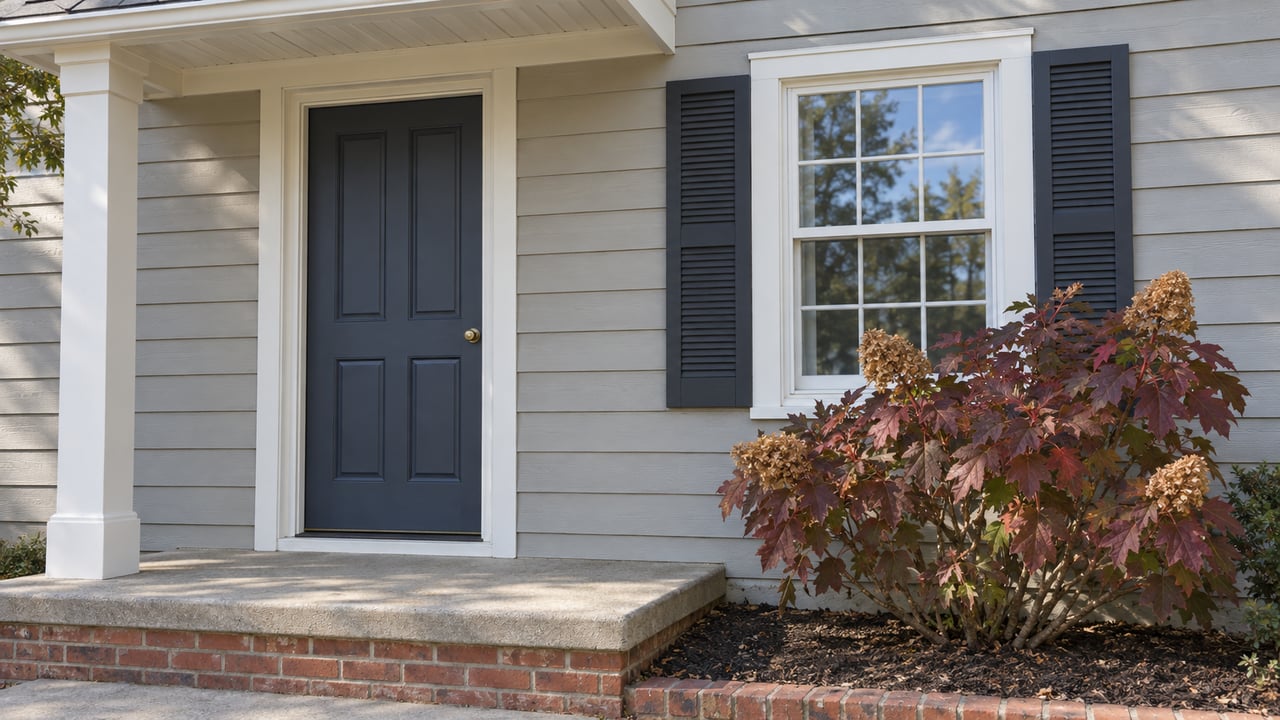
The City of Lancaster says certain exterior changes within the historic district require HARB review, including replacing a front entry door, removing a porch, adding a new attic dormer, blocking an existing window, or changing decorative porch columns. Interior work and exterior paint are not reviewed by HARB. Routine maintenance and in-kind repairs, like repointing brick or replacing storm windows with matching ones, do not require formal review before HARB, though they may require a permit; staff can give administrative approval for qualifying repairs.
But when a review is required, there is a process to plan for. The City of Lancaster says HARB generally reviews applications at its normally scheduled meeting and sends its recommendation to City Council, which meets on the second and fourth Tuesday of each month. City Council issues the Certificate of Appropriateness, which permits you to obtain the required building permit. If you're closing on a Chestnut Hill or Musser Park property in September planning to start exterior work before winter, that review cycle needs to be part of your calendar from day one, not something you discover in October when the contractor asks for the permit number.
The city's 15 historic neighborhood names, Cabbage Hill, Chestnut Hill, Musser Park, Churchtowne, Stadium District, and the rest, actually trace back to an application the city itself submitted decades ago for National Register of Historic Places designation. They were never drawn to align with tax jurisdictions or HARB boundaries. They're historical and cultural labels, and useful ones, but they aren't a proxy for what you'll actually owe or what you can change about a house once you own it.
That's the practical takeaway. A rowhome in Chestnut Hill and a rowhome in Cabbage Hill might carry nearly identical asking prices and still differ meaningfully on school district assignment, total mill rate, and whether an exterior renovation needs a Certificate of Appropriateness before a contractor can start. None of that shows up in a search filter. It shows up in the parcel record, the tax collection bureau's municipal code, and a conversation with someone who checks those details before you write an offer, not after you've moved in.
If I'm already under agreement in Lancaster City, does the 2027 reassessment affect my current settlement? What your 2027 tax bill looks like is a separate question that Lancaster County says won't be answerable with precision until the new millage rates are finalized, so it's worth discussing with your lender how your escrow account might need to adjust once those rates are set.
How do I find out if a specific Lancaster City property is in an Annex parcel with a different school district? Your title company or agent can confirm the municipal tax code tied to the parcel, which will show whether it falls under School District of Lancaster or one of the Annex designations tied to Conestoga Valley or Lampeter-Strasburg.
Does HARB review apply if I just want to repaint the exterior or replace a roof with matching shingles? Generally no. Exterior paint color is not reviewed by HARB, and in-kind repairs like matching roof shingle replacement or repointing brick can often be handled through administrative approval rather than a full hearing.
Is the 1.6 percent earned income tax charged to everyone who works in Lancaster City, or only residents who live there? The 1.6 percent rate applies to residents. People who work in the city but live elsewhere are subject to a separate Local Services Tax rather than the resident earned income tax rate.
If you're weighing a Lancaster City address against a township a few miles out, the sticker price is the easiest number to compare and the least complete one. The Wissler Team works these parcel-level details, school district codes, and HARB timelines with clients across Lancaster County every week. Start with a Free Home Valuation and we'll walk through what a specific address actually costs to own, not just what it costs to close on.
This article is general information, not legal, tax or financial advice. Consult a qualified professional about your situation.
The Wissler Team is dedicated to providing you with exceptional service and unparalleled expertise. Discover the Difference Local Expertise Makes.