Planning Exterior Work in Lititz’s Historic District
September 24, 2026
September 24, 2026
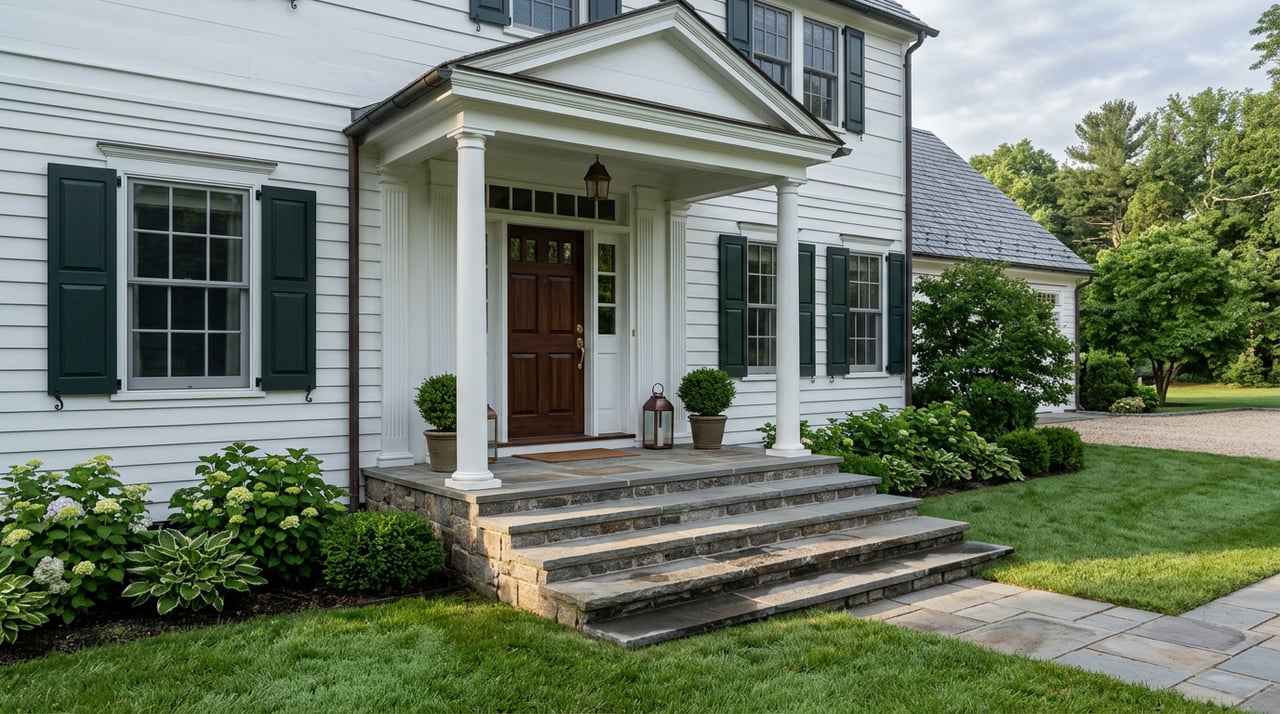
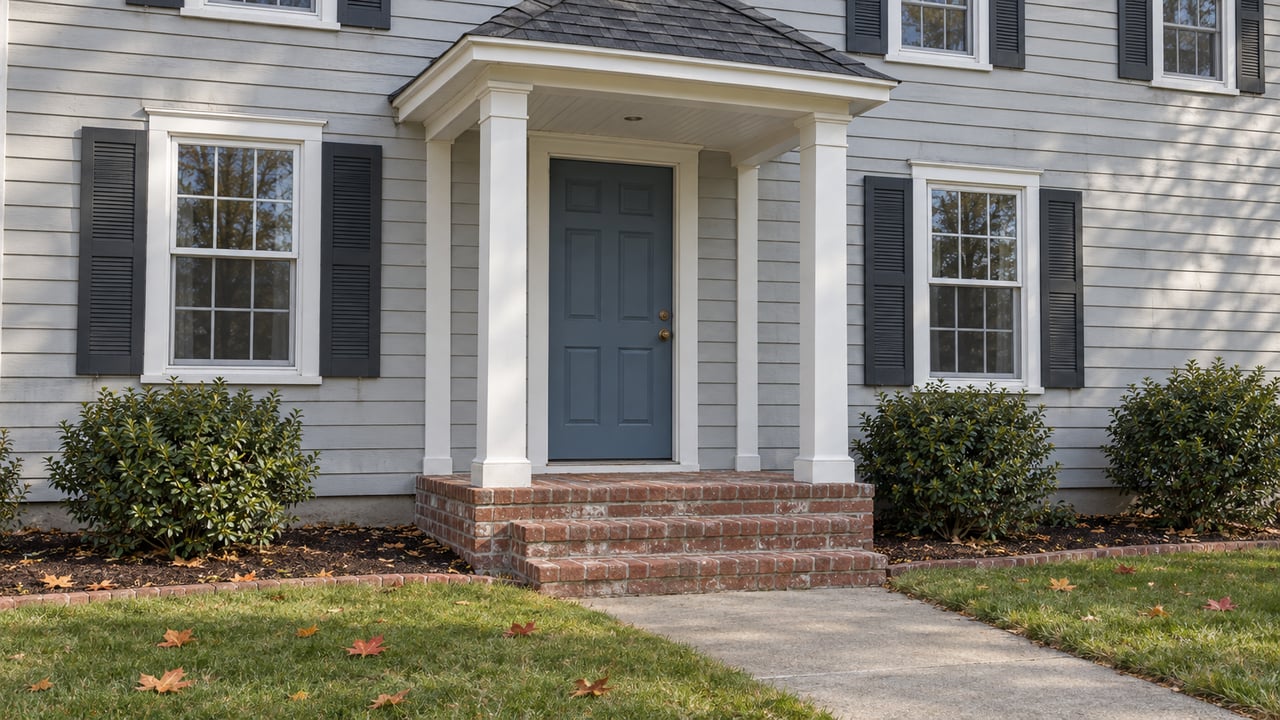
On March 16, 2026, a small piece of paperwork moved through Lititz Borough that most homeowners never think about until they're the ones filing it. A homeowner on East Main Street wanted to replace a set of exterior stairs, widen the landing, add railings, and repaint the door, shutters, and window trim. Nothing structural. Nothing visible from inside the house. The kind of project a contractor could usually start on a Tuesday and finish by the weekend.
Instead, it went to a vote.
The property sits inside Lititz Borough's Historic Overlay District, and the request went before the Historic Area Advisory Committee, the body the borough's own zoning ordinance defines as the advisory board Borough Council designated to handle matters touching the borough's identified historic and cultural resources. The committee met, voted, and the decision was mailed the following day: approved, with specific conditions on the paint colors and materials allowed. The letter is public record, and you can read the full decision here.
That one-page letter tells you more about buying, selling, or renovating a historic Lititz home than most guides bother to explain. The real friction in this market isn't taste, or cost, or finding a contractor who understands old stone foundations. It's calendar time, and it applies before your usual permit process even starts.
Pennsylvania's Historic District Act of 1961 gives municipalities the authority to require a Certificate of Appropriateness before any building permit is issued for work on a structure inside a designated historic district. The statute is direct about it: the agency that issues building permits "shall issue no permit for any such building changes until a certificate of appropriateness has been received from the governing body." Not after. Before.
That single clause is why the East Main Street project needed a committee vote for stair railings and paint. The law also covers changes made "in whole or in part," so partial work counts the same as a full renovation. Replace a door, repaint trim, swap a window, and you're inside the same review process as a full facade rebuild.
There's a boundary to what gets reviewed, and it matters for anyone worried this reaches into their kitchen renovation. The Act limits the governing body to judging "exterior architectural features which can be seen from a public street or way, only," weighing design, material, texture, and color against the surrounding district. Interior work in a historic Lititz home doesn't go through this process. A neighbor’s view from a private yard, by itself, doesn’t trigger this review.
Based on the East Main Street case, here's the sequence a homeowner or their design professional actually walks through:
That March application wasn't filed by the property owner alone. It came through Jordan Zimmerman at Beers & Hoffman, an architecture firm, acting on the owners' behalf. That's a detail worth sitting with if you're planning exterior work on a historic Lititz property. Most owners who go through this successfully aren't filling out the form themselves the week before they want to start. They're bringing in someone who already knows what the committee expects to see on an application.
If your Lititz home sits inside the historic overlay and you're planning curb-appeal work before listing, a new front door, a repainted facade, updated shutters, that project doesn't run on your contractor's schedule. It runs on the committee's meeting calendar. Miss the cutoff for the next session and you could be looking at a month's delay before you even get a decision, let alone start the work.
That has a direct effect on how you should sequence a listing. If cosmetic exterior updates are part of your pricing strategy, the Historic District Application needs to go in well before your target list date, not the week before photos are scheduled. A pricing strategy that assumes a fast pre-listing refresh can quietly fall apart if nobody accounted for a 30-day appeal window sitting between "approved" and "final."
If you're closing on a historic Lititz property with renovation plans already sketched out, the same clock applies to you the day after closing. A buyer who assumes they'll repaint the shutters and swap the front door their first weekend in the house may find that work has to wait for a committee meeting and a written decision first. That's not a reason to avoid a historic-district home. It's a reason to build the timeline into your plans before you write the offer, not after you've already scheduled a contractor.
It's also worth remembering this process is specific to properties inside Lititz Borough's designated historic overlay, since the Historic Area Advisory Committee only has authority over resources the Borough Council has identified within borough limits. A home a few streets over in Warwick Township isn't subject to the same review, even if the address shares a Lititz mailing address and ZIP code. That borough-versus-township line shapes more than school district or tax rate here. It shapes whether your exterior renovation needs a vote.
Does the historic district review apply to interior renovations? No. The state law that authorizes this review limits it to exterior architectural features visible from a public street or way. Kitchen and bathroom remodels, structural work inside the home, and other interior changes fall outside this process.
What happens if exterior work starts without a Certificate of Appropriateness? The law is written so that the borough's permit-issuing agency cannot issue a building permit for exterior alteration, restoration, demolition, or reconstruction until the certificate has been granted. The same law also gives the enforcing agency the power to pursue legal proceedings to enforce the ordinance, the same authority used for other zoning and building code violations.
How long does a Historic Area Advisory Committee review actually take? There's no fixed number of days in the ordinance, but the March 2026 case shows the practical rhythm: the application had to wait for a scheduled committee meeting, and the written decision followed the next day. Plan around the committee's meeting calendar, not a standard permit turnaround.
Does this apply to every home with a Lititz address? Only to properties inside the borough's designated Historic Overlay District. Homes in surrounding Warwick Township aren't subject to this specific review, even with a shared ZIP code.
If you're weighing a sale or a purchase inside Lititz's historic district, the timing questions above are exactly where a local team earns its keep, sequencing renovation work, coordinating with the right design professional, and pricing a listing around a calendar that a national portal will never show you. The Wissler Team works these streets regularly. Start with a Free Home Valuation and let's map out what your timeline actually looks like before you file anything.
This article is general information, not legal, tax or financial advice. Consult a qualified professional about your situation.
The Wissler Team is dedicated to providing you with exceptional service and unparalleled expertise. Discover the Difference Local Expertise Makes.